
 Polski / Poland
- NOWE PRODUKTY
- POMIAR
- Enkodery
- Enkodery bezłożyskowe
- Motor Feedback Systems
- Zintegrowane serwomotory
- Liniowa technika pomiarowa
- Czujnik radarowy
- Systemy pomiaru pozycji windy
- Inklinometry
- TRANSMISJA
- Pierścienie ślizgowe
- I/O Modules
- Konwertery sygnałów
- Kable i złącza
- PRZETWARZANIE
- Wskaźniki i liczniki
- Technika procesowa
- Bezpieczne monitorowanie prędkości
- Wieże sygnalizacyjne / światła sygnalizacyjne
Witamy w świecie pomiaru, transmisji sygnałów i zliczania.
Poznaj różnorodność produktów i rozwiązań firmy Kübler. Nasze portfolio obejmuje produkty standardowe jak również specjalne rozwiązania dla różnych branż. Z przyjemnością podejmujemy się wyzwań dotyczących indywidualnych aplikacji. Modyfikacje oraz rozwiązania specjalne staramy się wdrożyć w szybki i prosty sposób.
Z przyjemnością Tobie doradzimy. +48 61 849 99 02 | info@kubler.pl

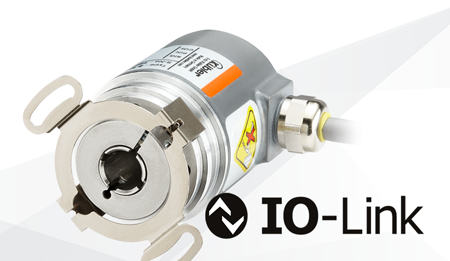
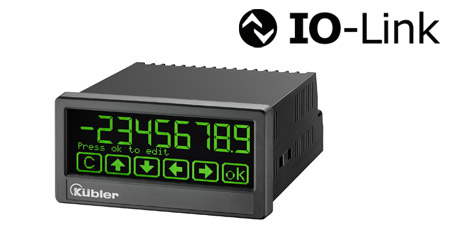
Twoja aplikacja jest dla nas najważniejsza.
Kübler oferuje odpowiednie rozwiązanie do pomiaru, transmisji i monitoringu dla każdej aplikacji. Nasza solidna wiedza, najwyższa jakość produktów oraz usługa na wysokim poziomie sprawiają, że jesteśmy dla Ciebie silnym i niezawodnym partnerem.
Z przyjemnością Tobie doradzimy. +48 61 849 99 02 | info@kubler.pl
Witamy w dziale serwisu firmy Kubler.
Cieszymy się zaufaniem naszych Klientów, ponieważ robimy wszystko aby zapewnić ciągłość dostaw na całym świecie.Wysokie wymagania jakościowe, które stawiamy naszym produktom i nam samym, odzwierciedlają również naszą ofertę usług. Oferta ta obejmuje kompetentne i osobiste porady dotyczące produktu, wspólną definicję rozwiązania w przypadku szczególnych wyzwań, a także uruchomienie na miejscu. Oprócz produktów wysokiej klasy zapewniamy również długoterminową wysoką jakość usług.
Z przyjemnością będziemy Cię wspierać. +48 61 849 99 02 adrian.galdecki@kuebler.com
Impulsy dla Twojej kariery.
Docenimy Twoje kompetencje personalne i zawodowe. Znajdź odpowiednie stanowisko w naszej firmie i stań się częścią historii naszego sukcesu.
Czekamy na Twój telefon: +48 61 849 99 02 katarzyna.naglik@kuebler.com









 Group / Kübler Worldwide
 Deutschland / Germany
 France / France
 Italia / Italy
 Türkiye / Turkey
 Österreich / Austria
 USA / USA
 Australia / Australia
 भारत / India
 中國 / China
 ประเทศไทย / Thailand
 الامارات العربية المتحدة / United Arab Emirates
 المملكة العربية السعودية / Saudi Arabia
 China / Taiwan
 China / Hong Kong
 Indonesia / Indonesia
 Malaysia / Malaysia
 Pilipinas / Philippines
 Singapore / Singapore
 Việt Nam / Vietnam
 מדינת ישראל / Israel
 لبنان / Lebanon
 日本 / Japan
 대한민국 / South Korea
 المغرب / Morocco
 South Africa / Republic of South Africa
 الجزائر / Algeria
 تونس / Tunisia
 مصر / Egypt
 Argentina / Argentina
 Brasil / Brazil
 Chile / Chile
 Perú / Peru
 New Zealand / New Zealand
 Belgique / Belgium
 Česká republika / Czech Republic
 Danmark / Denmark
 Eesti / Estonia
 Éire / Ireland
 England (GB) / England (GB)
 España / Spain
 Hrvatska / Croatia
 Ísland / Iceland
 Lietuva / Lithuania
 Luxembourg / Luxembourg
 Magyarország / Hungary
 malta / Malta
 Nederland / Netherlands
 Norge / Norway
 Portugal / Portugal
 România / Romania
 Schweiz / Switzerland
 Slovenija / Slovenia
 Slovensko / Slovakia
 Suomi / Finland
 Sverige / Sweden
 Ελλάδα / Greece
 Беларусь / Belarus
 България / Bulgaria
 Россия / Russia
 Србија / Serbia
 Україна / Ukraine
 Canada / Canada
 México / Mexico