
 English / Worldwide
- NEW PRODUCTS
- MEASUREMENT
- Encoders
- Bearingless Encoders
- Motor Feedback Systems
- Integrated servomotors
- Linear Measurement
- Radar Sensor
- Shaft Copying Systems
- Inclinometers
- Integrated Encoder Solutions
- TRANSMISSION
- Slip Rings
- I/O Modules
- Signal Converters
- Cables and Connectors
- EVALUATION
- Displays and Counters
- Process Devices
- Safe Speed Monitors
- Signal towers / signal lights
Welcome to the world of measurement, transmission and evaluation.
Discover the variety of the Kübler products and solutions. Its wide portfolio ranges from standard products up to special solutions for most various sectors. We will be pleased to address also individual challenges. Modifications and special solutions will be implemented in a quick and straightforward way.
We will be happy to advise you. +49 7720 3903-952 | support@kuebler.com

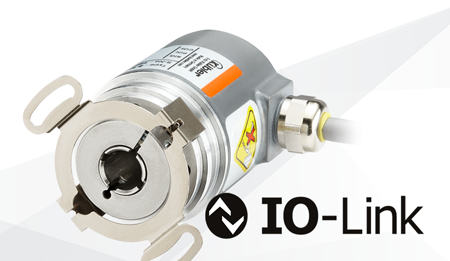
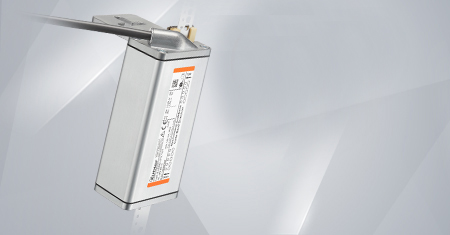
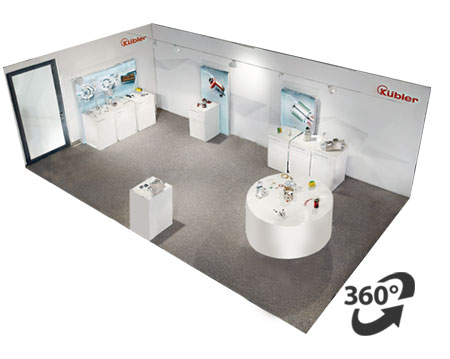
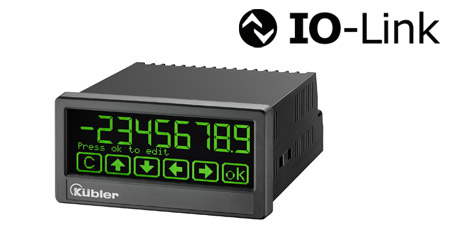
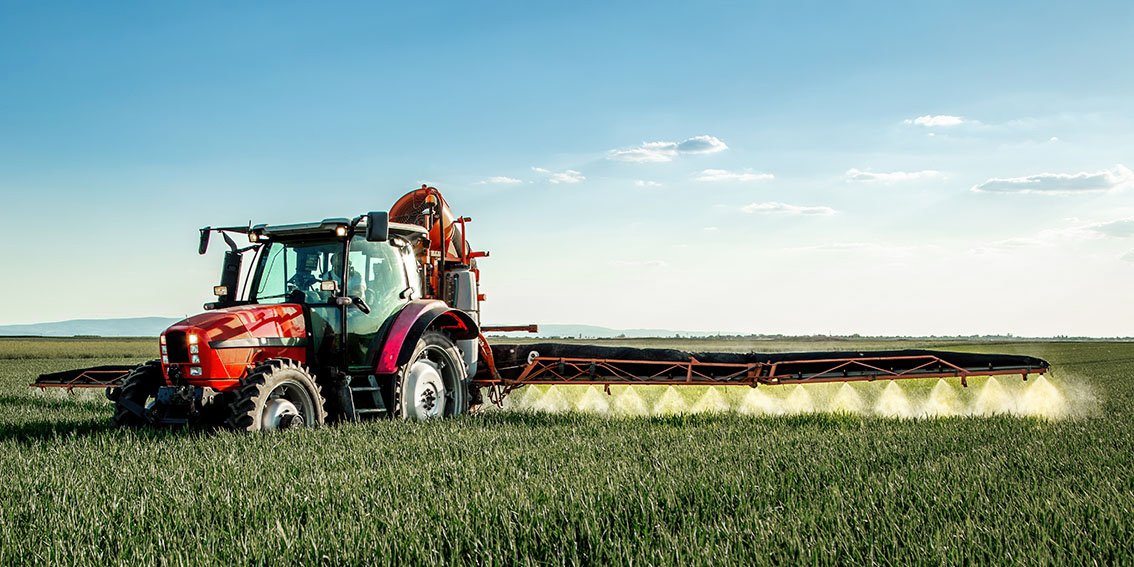
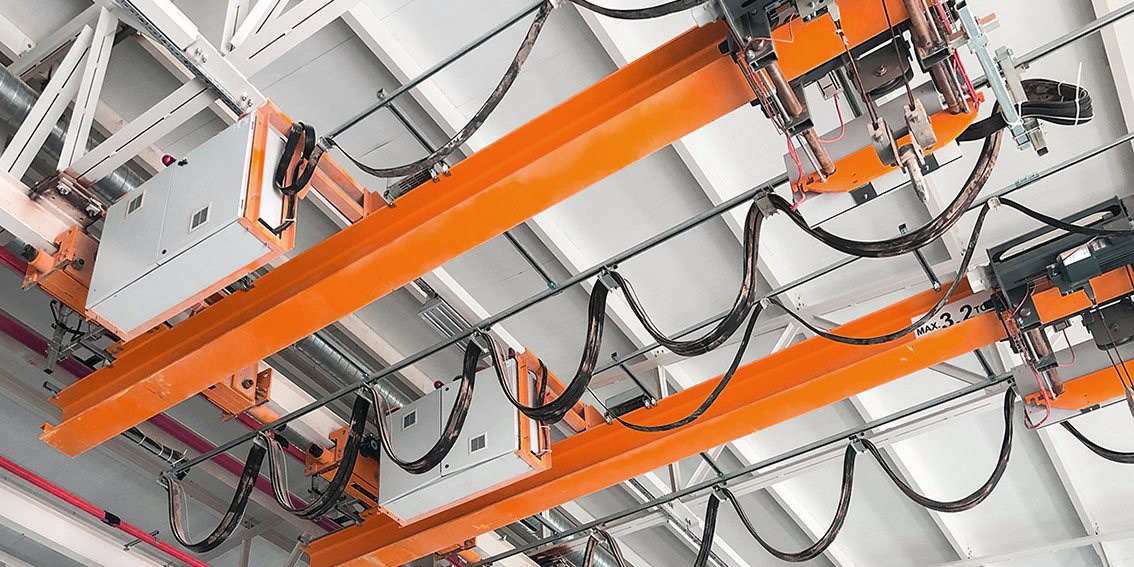
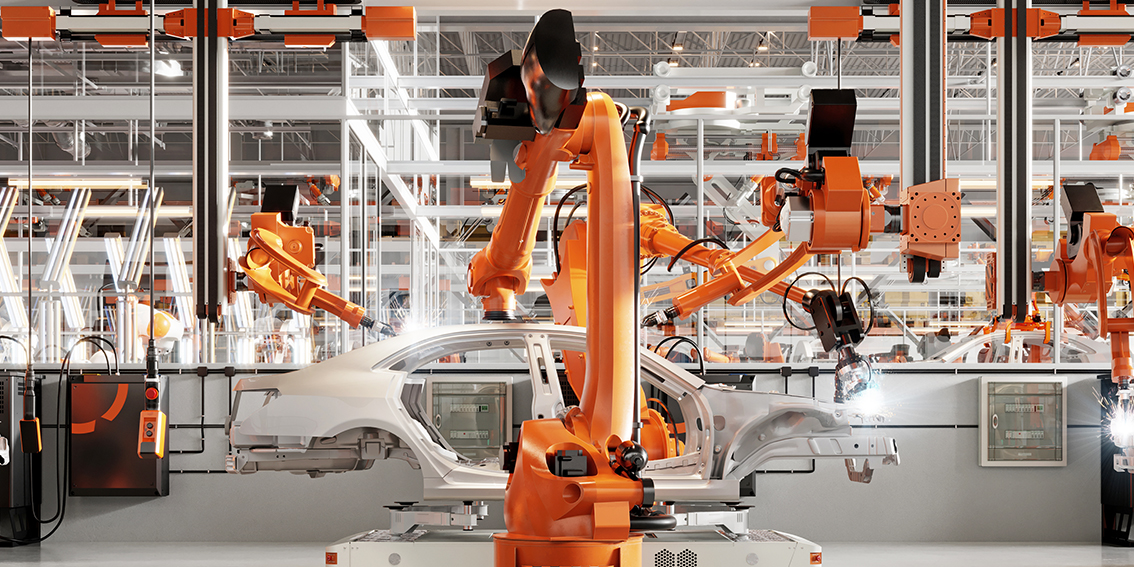
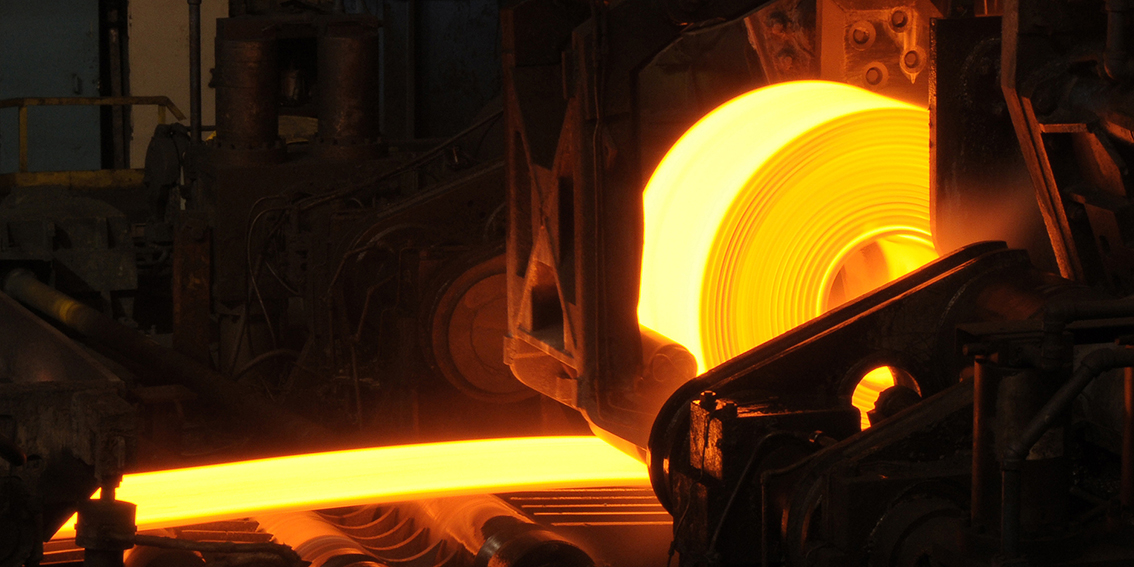
Your application is our focus.
Kübler offers for every application the suitable measurement, transmission and evaluation solution. Our sound application knowledge in many areas, together with highest quality awareness for products and our high-level service, ensure you a strong and reliable partner at your side.
We will be happy to advise you. +49 7720 3903-849 I support.int@kuebler.com
Welcome to the Service area of the Kübler Group.
We ensure confidence and planning security all over the world. The high quality requirements we set for our products and for ourselves also reflect in our service offer. This offer ranges from competent and personal product advice, through the joint definition of the solution in case of specific challenges, to on-site commissioning. Besides high-class products, also secure long-term high service quality.
We will be happy to support you. +49 7720 3903-849 I support.int@kuebler.com
Impulses for your career. Welcome to TOP JOB Employer.
Your personal and professional competencies are the focus of our attention. Find the right job for your future now and become a part of our success story.
We're there for you. +49 7720 3903-222 I info@kuebler.com






 Deutschland / Germany
 France / France
 Italia / Italy
 Polska / Poland
 Türkiye / Turkey
 Österreich / Austria
 USA / USA
 Australia / Australia
 भारत / India
 中國 / China
 ประเทศไทย / Thailand
 الامارات العربية المتحدة / United Arab Emirates
 المملكة العربية السعودية / Saudi Arabia
 China / Taiwan
 China / Hong Kong
 Indonesia / Indonesia
 Malaysia / Malaysia
 Pilipinas / Philippines
 Singapore / Singapore
 Việt Nam / Vietnam
 מדינת ישראל / Israel
 لبنان / Lebanon
 日本 / Japan
 대한민국 / South Korea
 المغرب / Morocco
 South Africa / Republic of South Africa
 الجزائر / Algeria
 تونس / Tunisia
 مصر / Egypt
 Argentina / Argentina
 Brasil / Brazil
 Chile / Chile
 Perú / Peru
 New Zealand / New Zealand
 Belgique / Belgium
 Česká republika / Czech Republic
 Danmark / Denmark
 Eesti / Estonia
 Éire / Ireland
 England (GB) / England (GB)
 España / Spain
 Hrvatska / Croatia
 Ísland / Iceland
 Lietuva / Lithuania
 Luxembourg / Luxembourg
 Magyarország / Hungary
 malta / Malta
 Nederland / Netherlands
 Norge / Norway
 Portugal / Portugal
 România / Romania
 Schweiz / Switzerland
 Slovenija / Slovenia
 Slovensko / Slovakia
 Suomi / Finland
 Sverige / Sweden
 Ελλάδα / Greece
 Беларусь / Belarus
 България / Bulgaria
 Россия / Russia
 Србија / Serbia
 Україна / Ukraine
 Canada / Canada
 México / Mexico